
How to plan the perfect holiday in Portugal?
Planning a holiday in Portugal made easy: discover tips on travel time, costs, transport and insider spots in the Algarve, Lisbon and Porto.
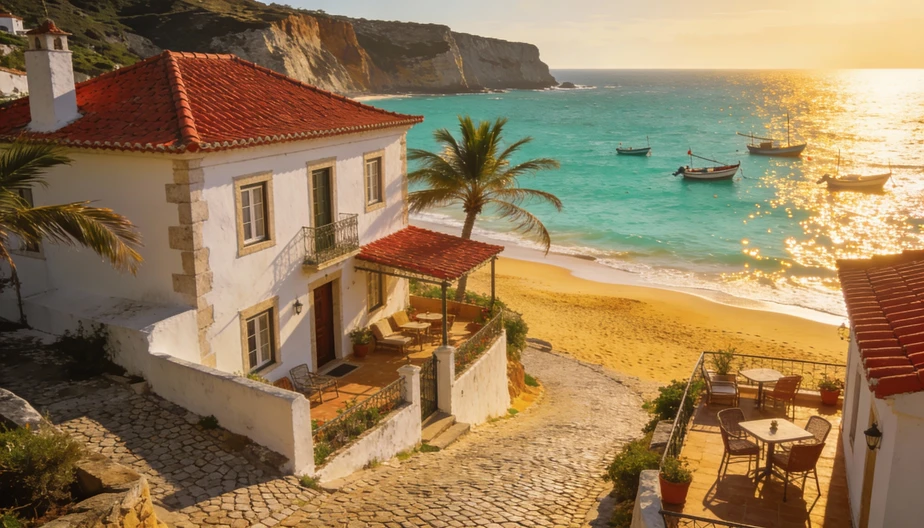
Portugal enchants visitors with its dramatic Atlantic coastline, historic cities and warm-hearted hospitality. The golden beaches of the Algarve, Lisbon’s winding alleys and the Douro vineyards showcase the country’s impressive diversity.
To turn a trip to Portugal into a lasting memory, it helps to plan strategically and know a few insider tips. With the right preparation, a standard holiday becomes a remarkable journey.
Clever budgeting and the use of savings opportunities during trip planning create financial room for extra treats. Some travellers use the money they save for more discoveries or relaxed leisure activities, whether that means the next journey, culinary experiences or digital entertainment such as a virtual treasure hunt in ancient Egypt. This conscious approach to budgeting allows for a wide range of experiences beyond the actual holiday.
The best time to visit Portugal’s different regions
Portugal’s varied climate offers attractive travel options all year round, with each region having its own ideal travel time. The Algarve enjoys a Mediterranean climate with around 300 days of sunshine and is a beach paradise from April to October. Lisbon and Porto are at their best in spring and autumn, when pleasant temperatures between 18 and 25 degrees Celsius create ideal conditions for long city walks and cultural visits.
The Douro Valley is particularly beautiful during the grape harvest in autumn, while the Azores and Madeira offer mild weather throughout the year. The west coast around Peniche and Ericeira attracts surfers with perfect wave conditions from October to March. The Serra da Estrela mountain region in central Portugal, the highest range on the mainland, draws winter sports enthusiasts looking for alpine adventures from December to March thanks to reliable snow, while hikers use the cooler months from November to April for extended tours.
Budget planning: costs for accommodation, food and activities
Solid budget planning lays the foundation for relaxed days without financial stress. Holiday homes in Portugal usually cost between 60 and 200 euros per night depending on season and location, and self-catering can save a significant amount of money. Mid-range hotels are typically 70 to 120 euros per night, while pousadas combine historic charm with moderate prices.
Portugal offers excellent value for money when it comes to food. On local markets, groceries cost around 30 percent less than in Germany. Travellers should allow 20 to 50 euros per day for activities. Museum tickets usually cost between 5 and 10 euros, while professional guided tours are often priced between 30 and 60 euros. A realistic daily budget for two people that covers accommodation, meals and activities ranges from about 120 to 180 euros, depending on the desired level of comfort.
Discovering hidden gems off the beaten track
Far from the main tourist routes, Portugal reveals its most authentic sides in secluded villages and untouched landscapes. The medieval hilltop village of Monsaraz rises above the Alqueva reservoir and offers spectacular sunsets away from the crowds. The schist villages of Talasnal and Candal in the Serra da Lousã captivate visitors with their traditional stone architecture and time-honoured way of life.
The Costa Vicentina coastline between Zambujeira do Mar and Odeceixe is dotted with quiet coves and crystal-clear water. In Carrasqueira, the historic stilted harbour is a striking sight, while the Roman ruins of Miróbriga near Santiago do Cacém offer a solitary glimpse into ancient history. In the northern Minho region, known for its unspoilt nature, the vast Peneda-Gerês National Park covers around 700 square kilometres and features monumental granite formations, thundering waterfalls and centuries-old mountain villages such as the picturesque Castro Laboreiro, where time seems to stand still.
Transport and getting around: rental car or public transport
Your choice of transport has a major impact on how flexible and immersive your trip through Portugal will be. A rental car, which averages between 25 and 45 euros per day depending on the vehicle category and booking period, lets travellers embark on spontaneous and personalised road trips to remote beaches, traditional wineries and charming mountain villages that are often hard to reach by public transport. Well-maintained motorways connect the country’s major cities, while smaller country roads lead through scenic landscapes. In cities, parking usually costs 1 to 2 euros per hour, with free parking mainly available outside the centre.
The public transport network, which includes trains and buses, attracts both locals and visitors with low prices that are well below the European average and with reliable services running regularly and on time between the country’s major cities. A comfortable train ride from the capital Lisbon to the second-largest city, Porto, costs around 30 euros with the national rail operator and takes roughly three hours. Regional buses reach smaller towns for 5 to 15 euros. Day passes in Lisbon and Porto cost about 6 to 7 euros and allow unlimited use of metro, trams and buses. Domestic flights to the Azores or Madeira start at around 40 euros and make island hopping easy.
Culinary highlights and local specialities
Portuguese cuisine offers remarkable variety beyond the famous pastéis de nata. Seafood lovers enjoy cataplana prepared in a copper pot, while Porto’s hearty francesinha sandwich is served with a rich sauce. Renting a holiday home in the Algarve also means browsing local fish markets and cooking fresh robalo or dourada yourself.
Wine enthusiasts visit the Douro Valley to taste authentic port wines at the producers’ estates. Traditional tascas serve petiscos, the Portuguese version of tapas, such as ameijoas à Bulhão Pato or pica pau, often at very moderate prices. Portugal’s sweet treats include ovos moles from Aveiro, travesseiros from Sintra and the rich toucinho do céu.
Practical travel tips for a relaxed stay in Portugal
A successful trip to Portugal benefits from smart preparation and a basic understanding of local habits. The Portuguese lunch break traditionally takes place between 1 pm and 3 pm, when many shops, boutiques and small stores close for a midday pause. This should be built into your daily schedule to avoid standing in front of locked doors. Tipping is usually between 5 and 10 percent, and credit cards are widely accepted. The “Via Verde” app makes motorway toll payments much easier.
A high sun protection factor is essential, especially along Portugal’s sunny Atlantic coast. Basic Portuguese phrases help when talking to locals, who appreciate friendly greetings like “Bom dia” or “Obrigado”. Travel insurance should cover activities such as surfing or hiking. The European Health Insurance Card, which you can request from your health insurer before travelling, guarantees access to basic medical care free of charge in public hospitals and health centres across Portugal. The country uses standard European sockets, so no adapter is needed. For trips in July and August, it is advisable to book restaurants and accommodation well in advance.
More articles
Experience Portugal Like Never Before: Insider Tips for Your Holiday
Discover Portugal’s hidden gems: secluded coastal villages, culinary highlights and the best times to visit for an authentic holiday experience.
Portugal’s most beautiful coastal regions for your holiday
From the Algarve to the Alentejo coast: discover Portugal’s most beautiful coastal regions and find out which ones are particularly well suited for a holiday home stay.
Holiday home in Portugal: Experience the Algarve at your own pace
A holiday home in Portugal is the ideal base for relaxed days on the Algarve. Find out what makes the region special and what to consider when planning your stay.
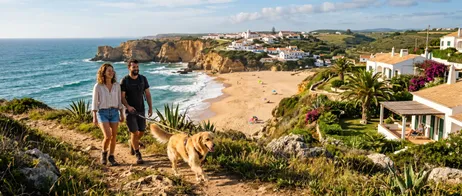
Holiday with Your Dog in Portugal: How to Keep the Trip Relaxed
Portugal offers dog-friendly accommodation, holiday homes on the Atlantic, dog beaches and ideal conditions for a holiday with your dog.
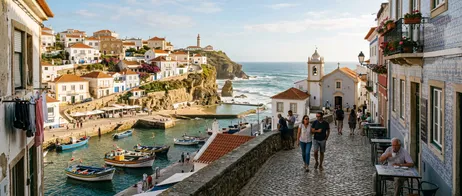
Historic Coastal Towns and Architecture in Portugal
Portugal captivates with historic coastal towns, azulejos, fishing villages and a maritime atmosphere along its impressive Atlantic coastline.
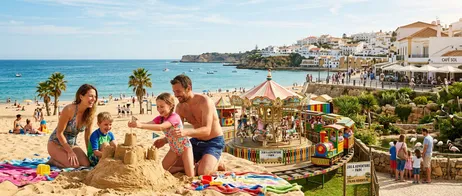
Discover Family-Friendly Activities in Portugal
Portugal delights families with child-friendly beaches, theme parks and varied holidays full of adventure and relaxation.
